

Commercial Auto Insurance
Coverage for the Vehicles That Keep Your Business Moving
For many businesses, vehicles are essential to daily operations.
You may use vehicles to visit customers, travel between job sites, transport employees, haul tools or equipment, make deliveries or tow trailers.
Those business uses can create risks that aren’t necessarily addressed by a personal auto insurance policy.
John Scott Insurance helps businesses evaluate their vehicle exposures and build Commercial Auto coverage around how their vehicles are actually being used.
What Is Commercial Auto Insurance?
Commercial Auto Insurance is designed for vehicles used for business purposes.
Depending on the policy and coverage selected, it may help address:
-
- Liability for bodily injury or property damage
- Damage to insured business vehicles
- Medical-related coverage where applicable
- Uninsured or underinsured motorists
- Hired vehicles
- Non-owned vehicles
- Other business auto exposures
Coverage varies by policy, vehicle, business and state.
What Does Commercial Auto Insurance Cover?
Auto Liability
If you or an insured driver causes an accident while operating a covered business vehicle, Commercial Auto Liability may help address certain covered bodily injury or property damage claims.
Collision Coverage
Collision coverage may help pay for covered damage to an insured vehicle resulting from a collision, subject to the policy terms and deductible.
Comprehensive Coverage
Comprehensive coverage may help with certain covered losses involving events other than a collision, such as theft, vandalism or weather-related damage, subject to policy provisions.
Uninsured and Underinsured Motorist Coverage
Depending on the state and policy, this coverage may provide protection when an insured vehicle is involved in an accident with a driver who has no insurance or insufficient insurance.
Hired Auto Coverage
Businesses sometimes rent, lease or borrow vehicles for business purposes.
Hired Auto coverage may address certain liability exposures involving qualifying vehicles that the business hires, rents or leases but doesn’t own.
Non-Owned Auto Coverage
Employees may occasionally use their personal vehicles for company business.
Non-Owned Auto coverage may help address certain liability exposures arising from qualifying business use of vehicles the company doesn’t own.
Personal Auto vs. Commercial Auto Insurance
One of the most important questions for business owners is:
Can I use my personal auto insurance for business driving?
The answer depends on how the vehicle is being used and the terms of the policy.
Personal auto policies may limit or exclude certain business uses.
A vehicle may need Commercial Auto Insurance when it is:
-
- Owned by a business
- Regularly used for business operations
- Used to transport tools or equipment
- Used to make deliveries
- Used to visit customers or job sites
- Used by employees
- Used to tow business trailers
- Used in specialized business operations
Business owners should tell their insurance professional exactly how each vehicle is used rather than assuming a personal auto policy will provide the appropriate coverage.
Who Needs Commercial Auto Insurance?
Commercial Auto Insurance may be appropriate for many types of businesses, including:
-
- Contractors
- Construction companies
- Tree service businesses
- Landscapers
- Plumbers
- Electricians
- HVAC contractors
- Delivery businesses
- Service companies
- Manufacturers
- Wholesalers
- Retail businesses
- Sales organizations
- Businesses with company vehicles
- Businesses whose employees drive for work
The appropriate coverage depends on the vehicles, drivers and business operations.
What Vehicles Can Be Insured on a Commercial Auto Policy?
Depending on the business and insurance carrier, a commercial auto policy may insure vehicles such as:
-
- Cars
- Pickup trucks
- Vans
- Service vehicles
- Work trucks
- Certain larger trucks
- Vehicles used to tow trailers
- Other eligible commercial vehicles
Businesses with specialized or heavier vehicles may require additional underwriting or specialized commercial auto programs.
What About Trailers?
Many businesses use trailers to transport:
-
- Tools
- Equipment
- Materials
- Machinery
- Supplies
Trailer coverage can depend on the trailer, ownership, use and policy.
The vehicle pulling the trailer and the property being transported can involve different types of coverage.
For example, Commercial Auto may address the vehicle exposure while Equipment / Inland Marine Insurance may be needed for certain tools or equipment being transported.
Are Tools and Equipment in My Work Truck Covered?
Not necessarily.
This is another important question I’d like prominently answered.
Commercial Auto Insurance is primarily designed around the vehicle and auto-related exposures.
Tools, machinery and equipment carried inside or on a vehicle may require separate coverage, such as:
Equipment / Inland Marine Insurance
This creates an important internal connection between our Commercial Auto and Equipment pages.
What If Employees Drive Company Vehicles?
Businesses that allow employees to drive company vehicles should consider several factors, including:
- Who is authorized to drive
- Driver licensing
- Motor vehicle records
- Employee driving history
- Vehicle use policies
- Personal use of company vehicles
- Accident reporting procedures
- Driver training
- Vehicle maintenance
Driver quality can have a significant impact on both risk and commercial auto insurance.
Businesses should establish clear expectations around who may operate company vehicles and how those vehicles may be used.
What If My Business Rents Vehicles?
Businesses may rent vehicles for:
- Temporary replacement vehicles
- Business travel
- Projects
- Seasonal work
- Additional capacity
- Special jobs
Hired Auto coverage may help address certain liability exposures involving qualifying vehicles rented or hired by the business.
The details matter, so businesses should review how rented vehicles are being used and who is driving them.
What If Employees Drive Company Vehicles?
Businesses that allow employees to drive company vehicles should consider several factors, including:
- Who is authorized to drive
- Driver licensing
- Motor vehicle records
- Employee driving history
- Vehicle use policies
- Personal use of company vehicles
- Accident reporting procedures
- Driver training
- Vehicle maintenance
Driver quality can have a significant impact on both risk and commercial auto insurance.
Businesses should establish clear expectations around who may operate company vehicles and how those vehicles may be used.
What If My Business Rents Vehicles?
Businesses may rent vehicles for:
- Temporary replacement vehicles
- Business travel
- Projects
- Seasonal work
- Additional capacity
- Special jobs
Hired Auto coverage may help address certain liability exposures involving qualifying vehicles rented or hired by the business.
The details matter, so businesses should review how rented vehicles are being used and who is driving them.
How Much Commercial Auto Liability Coverage Does My Business Need?
There isn’t one liability limit that’s appropriate for every company.
Businesses should consider factors such as:
- Types of vehicles
- Number of vehicles
- How far vehicles travel
- Where vehicles operate
- Who drives
- Whether employees transport customers
- Whether vehicles tow trailers
- Size and weight of vehicles
- Contract requirements
- Potential severity of an accident
- Other business exposures
Businesses may also want to consider Commercial Umbrella / Excess Liability Insurance for additional liability limits above eligible underlying policies.
Please link Commercial Umbrella once that page is built.
What Affects the Cost of Commercial Auto Insurance?
Insurance companies may consider:
- Number of vehicles
- Types of vehicles
- Vehicle value
- Vehicle size and weight
- How vehicles are used
- Driving radius
- Business location
- Driver records
- Claims history
- Coverage limits
- Deductibles
- Number of drivers
- Industry
- Whether vehicles tow trailers
- Other operating characteristics
Commercial Auto pricing is based on much more than simply the year, make and model of the vehicle.
How the business uses that vehicle matters.
Commercial Auto Insurance for Contractors
Contractors frequently depend on vehicles to move employees, tools, equipment and materials between job sites.
Their commercial auto exposures may include:
- Pickup trucks
- Service vans
- Work trucks
- Trailers
- Multiple drivers
- Job-site travel
- Tools and equipment
- Employees using personal vehicles
- Vehicles operating across state lines
John Scott Insurance operates Contractors Insurance Agency, a specialized division focused on insurance for contractors and construction-related businesses.
Commercial Auto Insurance for Tree Service Businesses
Commercial vehicles are a major part of many tree service operations.
A tree company may use:
- Pickup trucks
- Chip trucks
- Bucket trucks
- Service vehicles
- Trailers
- Vehicles towing chippers
- Vehicles transporting stump grinders and other equipment
- Multiple employee drivers
The size, weight and use of these vehicles can create specialized commercial auto exposures.
John Scott Insurance operates Tree Trimmers Insurance Agency, a specialized division focused specifically on insurance for tree care professionals.
Commercial Auto as Part of Your Business Insurance Program
Vehicles are only one part of a company’s risk picture.
Depending on the business, the overall insurance program may also include:
- General Liability
- Commercial Property
- Workers’ Compensation
- Business Owners Policy
- Equipment / Inland Marine
- Commercial Umbrella / Excess Liability
- Other specialized coverage
For Commercial Auto, we want to look beyond simply asking:
“How many vehicles do you have?”
We want to understand:
- Who owns the vehicles?
- What types of vehicles are being used?
- Who drives them?
- What are the vehicles used for?
- How far do they travel?
- Do they cross state lines?
- Are they towing trailers?
- What equipment is being transported?
- Do employees use personal vehicles for business?
- Does the business rent or borrow vehicles?
- Who is authorized to drive?
- What does the company’s auto claims history look like?
Understanding how the business actually uses its vehicles helps identify exposures that may otherwise be missed.
Frequently Asked Questions About Commercial Auto Insurance
What’s the difference between personal and Commercial Auto Insurance?
Personal Auto Insurance is generally designed for personal vehicle use. Commercial Auto Insurance is designed for vehicles and driving exposures associated with business operations. Coverage depends on the policy and how the vehicle is used.
Do I need Commercial Auto Insurance if I use my personal truck for work?
Possibly. Personal auto policies may limit certain business uses. Business owners should discuss exactly how the vehicle is used with their insurance professional.
Does Commercial Auto Insurance cover my employees?
Employees may be covered when operating eligible insured vehicles under certain circumstances, but driver eligibility and coverage depend on the policy.
What is Hired and Non-Owned Auto Insurance?
Hired Auto coverage may address certain exposures involving qualifying vehicles a business rents or hires. Non-Owned Auto coverage may address certain liability exposures when employees use vehicles the company doesn’t own for business purposes.
Does Commercial Auto cover tools in my truck?
Not necessarily. Tools and equipment transported in a business vehicle may require Equipment or Inland Marine Insurance.
Does Commercial Auto cover trailers?
Coverage depends on the trailer, ownership, use and policy. Businesses using trailers should specifically discuss them with their insurance professional.
Does Commercial Auto cover rental vehicles?
Certain rented or hired vehicles may require Hired Auto coverage. Coverage depends on the policy and rental arrangement.
Can multiple vehicles be insured on one commercial policy?
Businesses can often insure multiple eligible vehicles under a commercial auto policy. The structure depends on the business, vehicles and insurance carrier.
Does Commercial Auto cover an employee’s personal vehicle?
The employee’s personal auto policy generally insures the personal vehicle itself. A business may need Non-Owned Auto Liability coverage for certain liability exposures arising from employees using personal vehicles for company business.
Can Commercial Umbrella Insurance provide additional auto liability limits?
Commercial Umbrella or Excess Liability may provide additional limits above certain eligible underlying policies, including Commercial Auto Liability, depending on the policy.
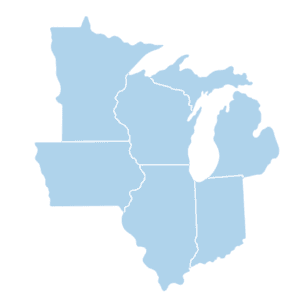
Commercial Auto Insurance Across the Midwest
John Scott Insurance works with commercial clients throughout:
Michigan | Indiana | Illinois | Wisconsin | Iowa | Minnesota
Businesses operating vehicles across multiple states should discuss their full operating territory with their insurance professional.
Let’s Talk About Your Business Vehicles
Your business vehicles do more than get you from Point A to Point B.
They may transport your employees, tools, equipment, materials and ultimately represent your business every time they’re on the road.
John Scott Insurance can help you review your vehicles, drivers and business use to determine how Commercial Auto Insurance fits into your overall insurance program.