

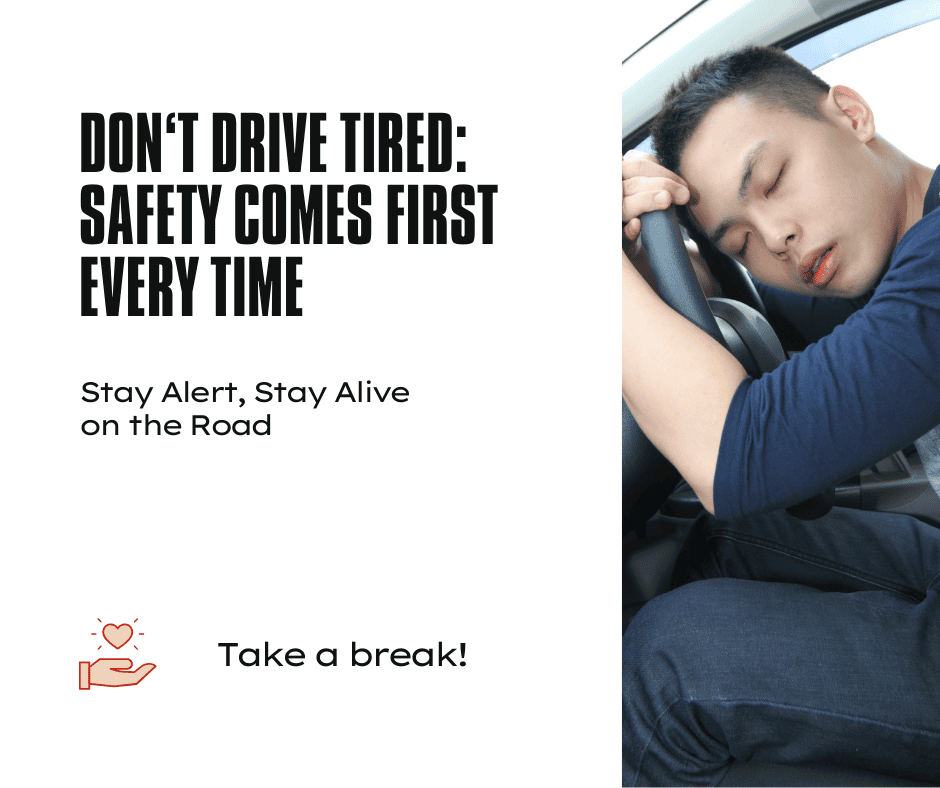
Driving requires sharp focus, quick reflexes, and full awareness of your surroundings. However, when fatigue sets in, these essential abilities can be severely compromised. Drowsy driving is a serious issue that poses risks not only to the driver but also to passengers, pedestrians, and other road users. Understanding the dangers and taking proactive steps to prevent drowsy driving can help make the roads safer for everyone.
Why Drowsy Driving Is Dangerous
When a driver is fatigued, their reaction time slows, decision-making becomes impaired, and the likelihood of falling asleep at the wheel increases. According to safety experts, drowsy driving can be just as dangerous as driving under the influence of alcohol. In fact, fatigue-related crashes tend to be more severe because drowsy drivers may not react in time to brake or swerve.
Warning Signs of Drowsy Driving
Recognizing the early signs of drowsiness can help prevent an accident. Common warning signs include:
- Frequent yawning or blinking
- Difficulty keeping your eyes open
- Drifting out of your lane
- Missing road signs or turns
- Feeling irritable or restless
- Trouble remembering the last few miles driven
If you experience any of these signs, it’s crucial to take action immediately.
How to Prevent Drowsy Driving
- Get Enough Sleep
The best way to prevent drowsy driving is to ensure you get at least 7-9 hours of quality sleep each night. Avoid staying up too late, especially before long drives.
- Take Regular Breaks
On long trips, plan to take a break every two hours or 100 miles. Step out of the car, stretch, and get some fresh air to stay alert.
- Avoid Driving at High-Risk Times
Most drowsy driving crashes occur late at night or early in the morning when the body’s natural sleep cycle is at its lowest point. If possible, schedule your drives for times when you’re most alert.
- Stay Hydrated and Eat Light
Dehydration and heavy meals can contribute to fatigue. Drink water and eat light, nutritious snacks to maintain energy levels while driving.
- Use the Buddy System
If you’re taking a long trip, travel with a companion who can help keep you engaged in conversation or take turns driving.
- Be Cautious with Medications
Some medications, including antihistamines and certain pain relievers, can cause drowsiness. Check labels and consult with a doctor if you’re unsure about their effects on your ability to drive.
- Pull Over and Rest if Needed
If you find yourself struggling to stay awake, don’t push through. Find a safe place to pull over and take a short nap or switch drivers if possible.
Drowsy driving is a preventable danger that can have devastating consequences. By prioritizing rest, recognizing the warning signs, and taking appropriate precautions, you can reduce the risk of fatigue-related accidents. Stay alert, stay rested, and ensure every drive is a safe one for yourself and others on the road.
If our team here at John Scott Insurance Agency can help you in any way with your auto insurance or to answer any questions, please don’t hesitate to reach out. We are here to support you!